
Listen to the Altitude
Altitude medicine and medical care for travelers in Cusco, Peru.
Many people travel to Cusco on their way to Machu Picchu, one of the most extraordinary places in the world. When travelers look at the altitude of Machu Picchu itself, it may not seem especially high. What is sometimes less obvious is that the journey usually begins here in Cusco, a beautiful Andean city located at 3,400 m / 11,150 ft above sea level.
For many visitors, the change in altitude happens very quickly. In less than two hours, a flight can take you from Lima at sea level directly into the high Andes.
Soon after arriving, travelers often continue exploring incredible places around the region, such as:
- Rainbow Mountain – 5,200 m / 17,060 ft
- Climb Veronica – 5,911 m / 19,388 ft
- Ausangate region – 6,384 m / 20,945 ft
- Salkantay Pass – 6,271 m / 20,570 ft
These places are breathtaking and absolutely worth visiting. The mountains of Cusco are among the most beautiful landscapes in the world.
But the Andes also deserve a little respect from our physiology.
Cusco is a welcoming city, and it is natural for travelers to celebrate their arrival. Most people enjoy their first day exploring the historic center, trying Peruvian food (which is famously difficult to resist — ceviche, lomo saltado… and yes, sometimes even cuy), meeting new friends, or sharing a pisco sour in the evening.
And in medical consultations I often hear a familiar sentence:
(“Doctor… maybe the pisco sour on the first night was not the best idea.”)
Please don’t worry — this is extremely common. Many healthy travelers feel exactly the same during their first days at altitude.
The important thing to understand is that the body sometimes needs time to adjust to the lower oxygen pressure of the Andes. Unlike mountaineering expeditions such as Everest, where climbers ascend gradually over many days or weeks, travel in Peru often involves rapid ascent.
Altitude illness is therefore influenced not only by how high you go, but also how quickly you arrive and how much time your body has to acclimatize.
The reassuring news is that most travelers adapt very well. In many cases symptoms are mild and improve with rest, hydration and a little patience.
Cusco and the surrounding Andes are extraordinary places to explore. Beyond the mountains, the region also offers beautiful cloud forests, rivers, waterfalls and valleys, where the Andes meet the Amazon. With a little awareness and a respectful pace during the first days, most travelers can enjoy everything this region offers safely.
This page was created to help guide visitors medically during their time in Cusco — explaining altitude, recognizing early symptoms and helping travelers make safe decisions so they can continue enjoying their journey through Peru.
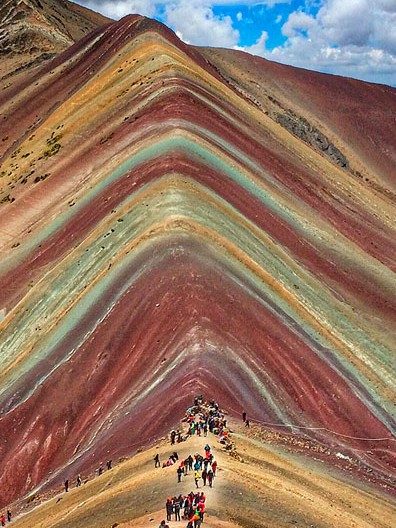
Rainbow Mountain (5,200 m / 17,060 ft)
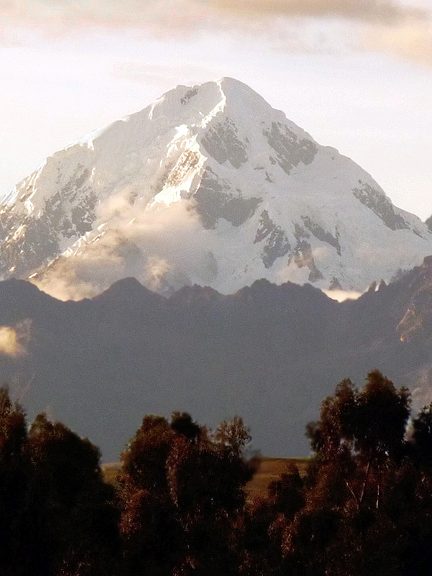
Climb Veronica (5,911m/19,388ft)
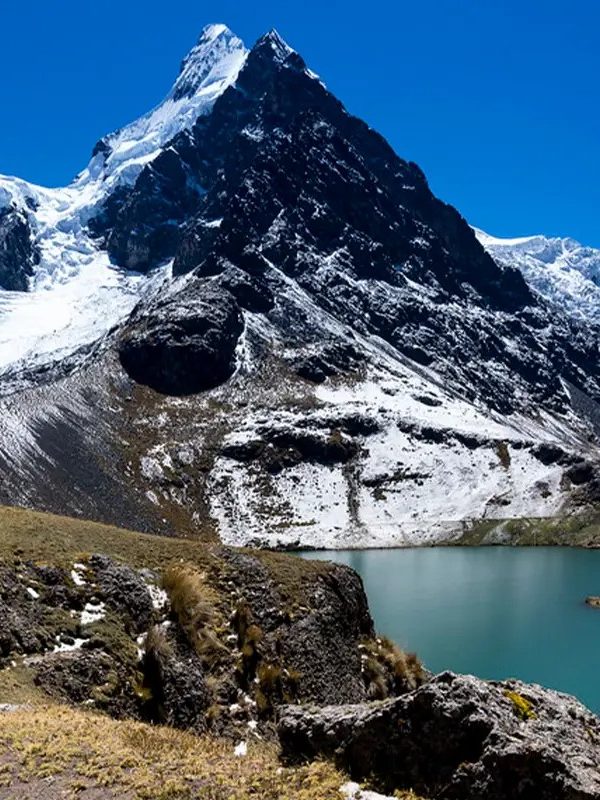
Ausangate region (6,384 m/ 20,945 ft)
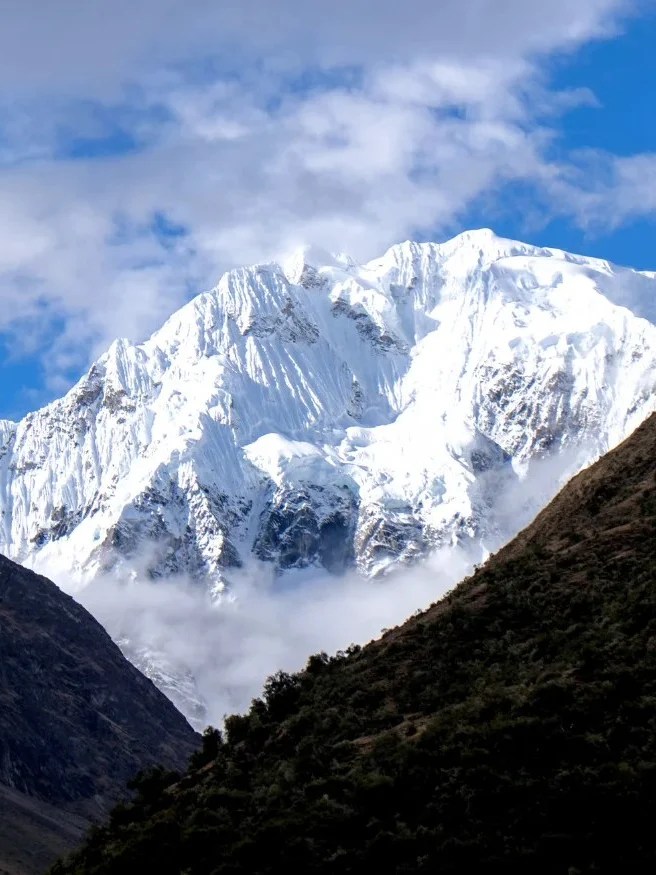
Salkantay Pass (6.271 m/20.570 ft)
During the first days in Cusco, it is common for travelers to notice small changes in how their body feels. The symptom most people mention during consultations is headache, although others may experience nausea, occasional vomiting, fatigue, dizziness, loss of appetite, or difficulty sleeping during the first nights.
Many patients begin the consultation with a familiar sentence:
(“Doctor… I think it might be the altitude.”)
Sometimes that is correct — but not always.
When arriving in a new country, the body is adapting to many changes at the same time. Travelers are adjusting not only to altitude, but also to long flights, travel fatigue, new foods, changes in sleep patterns, different hygiene conditions, and sometimes dehydration after long travel days.
Because of this, symptoms during the first days in Cusco do not always have a single explanation. Sometimes they are related to normal altitude adaptation, sometimes to gastrointestinal illness, dehydration, food-related infections, or simple travel fatigue, and occasionally more than one factor may be present at the same time.
Evaluating these situations is something I do every day in clinical practice here in Cusco, caring for visitors who are unsure whether what they are feeling is normal adjustment or something that deserves medical attention.
From what I observe in daily practice, the great majority of travelers adapt to altitude without significant problems. Only a smaller portion develop symptoms of altitude illness, and serious complications are fortunately very uncommon.
Another situation I frequently see in consultation involves portable oxygen monitors. Many travelers arrive with small pulse oximeters or smartwatches that display oxygen saturation levels. These devices can be useful, but they can also cause unnecessary concern.
It is quite common for patients to tell me something like:
(“Doctor, my oxygen is only 88%… am I in danger?”)
At this altitude, a moderate decrease in oxygen saturation is expected and does not automatically mean something is wrong. Oxygen values at high altitude are naturally lower than those seen at sea level.
Sometimes the situation becomes more complicated when anxiety appears. A traveler may see a number on their device that seems alarming, begin to worry, start breathing faster, and suddenly feel palpitations, dizziness, or tingling in the hands and feet.
Then the conclusion becomes:
(“Doctor… I think I’m having altitude sickness… or maybe a heart attack.”)
In reality, anxiety, dehydration, cold temperatures, fatigue, and hyperventilation can also influence oxygen readings and symptoms.
Another common scenario occurs when travelers take medications without proper guidance. Occasionally patients arrive after taking higher doses of acetazolamide (Diamox) than recommended, sometimes combined with coffee during the day and alcohol in the evening.
(Your body generally appreciates a little more kindness than that.)
These situations can produce symptoms such as tingling in the fingers or toes, dizziness, or unusual sensations, which are actually common side effects of the medication rather than signs of severe altitude illness.
For these reasons, it is always better not to draw conclusions based only on a device reading or internet advice. A simple medical evaluation usually clarifies the situation quickly and helps determine whether symptoms represent normal altitude adjustment, mild altitude illness, medication effects, or another travel-related condition.
In most cases, the solution is surprisingly simple: rest, hydration, light meals, and giving the body time to adapt.
The goal is not to alarm travelers.
The goal is to help you feel safe, understand what your body is experiencing, and continue enjoying Cusco and the Andes with confidence.
Travelers sometimes wonder whether medical care is available in Cusco. The answer is yes.
Cusco has clinics, hospitals, laboratories, imaging services, ambulance systems, oxygen therapy and physicians experienced in caring for international visitors. Because the region receives travelers from all over the world, many doctors who regularly work with altitude medicine and travel-related illnesses are accustomed to communicating with international patients, often in English and sometimes in other languages.
Medical teams in the city frequently evaluate conditions related to altitude exposure, trekking activities, dehydration, gastrointestinal illness and other common travel concerns, so these situations are well known in local practice.
For this reason, travelers who require medical evaluation in Cusco can generally find appropriate care and guidance within the city.
If you already have a physician or travel clinic assisting you during your trip, that guidance is always helpful. If not, and you find yourself needing medical advice while in Cusco, you are welcome to reach out and I will do my best to help you find the appropriate care.
If you begin to feel unwell during your stay in Cusco, the most important step is simply not to wait too long before asking for medical advice. In many situations, a brief conversation is enough to clarify whether symptoms are part of normal acclimatization or whether further evaluation would be helpful.
If you already have a physician or travel clinic guiding you during your trip, it is always appropriate to follow their recommendations. Many travelers arrive well prepared.
But if you find yourself in Cusco feeling unwell and unsure whom to contact, you are welcome to write to me. Caring for travelers and evaluating altitude-related symptoms is part of my daily medical practice, and I will do my best to help you understand what you are experiencing and guide you toward the appropriate care if needed.
You may send a message through WhatsApp, and if a situation feels urgent it is always appropriate to call directly. When further care is necessary, evaluation with local clinics or hospitals can be coordinated.
Most importantly, please remember something simple:
If you need medical help while visiting Cusco, you are not alone.
Common Questions Travelers Ask
Yes. Cusco has clinics, hospitals, and physicians accustomed to caring for international travelers.
Yes. Physicians in Cusco regularly evaluate travelers with altitude-related symptoms.
Travelers who would like medical guidance may contact Dr. Suclly for advice and assistance in navigating medical care in the city.
Many doctors in Cusco regularly treat international patients and communication in English is commonly available.
Traveling to high altitude can raise questions.
If you need medical guidance during your stay in Cusco, help is available.
Contact
If at any point during your stay you feel unsure about your health, please do not hesitate to reach out. You do not have to face it alone.
If you would like medical guidance during your stay in Cusco, you are welcome to reach out.
Dr. Suclly can provide medical advice, evaluation, and assistance in coordinating further care when needed.
📞 Phone / WhatsApp
+51 921 144 599
📍 Cusco, Peru
“Travel should bring memorable experiences — not unnecessary worry. If health concerns arise, guidance is always close by.”
 Dr Suclly | Travel & Altitude Medicine